Archives
- 2026-07
- 2026-06
- 2026-05
- 2026-04
- 2026-03
- 2026-02
- 2026-01
- 2025-12
- 2025-11
- 2025-10
- 2025-09
- 2025-03
- 2025-02
- 2025-01
- 2024-12
- 2024-11
- 2024-10
- 2024-09
- 2024-08
- 2024-07
- 2024-06
- 2024-05
- 2024-04
- 2024-03
- 2024-02
- 2024-01
- 2023-12
- 2023-11
- 2023-10
- 2023-09
- 2023-08
- 2023-06
- 2023-05
- 2023-04
- 2023-03
- 2023-02
- 2023-01
- 2022-12
- 2022-11
- 2022-10
- 2022-09
- 2022-08
- 2022-07
- 2022-06
- 2022-05
- 2022-04
- 2022-03
- 2022-02
- 2022-01
- 2021-12
- 2021-11
- 2021-10
- 2021-09
- 2021-08
- 2021-07
- 2021-06
- 2021-05
- 2021-04
- 2021-03
- 2021-02
- 2021-01
- 2020-12
- 2020-11
- 2020-10
- 2020-09
- 2020-08
- 2020-07
- 2020-06
- 2020-05
- 2020-04
- 2020-03
- 2020-02
- 2020-01
- 2019-12
- 2019-11
- 2019-10
- 2019-09
- 2019-08
- 2019-07
- 2019-06
- 2019-05
- 2019-04
- 2018-11
- 2018-10
- 2018-07
-
NLX a k a F
2023-10-19
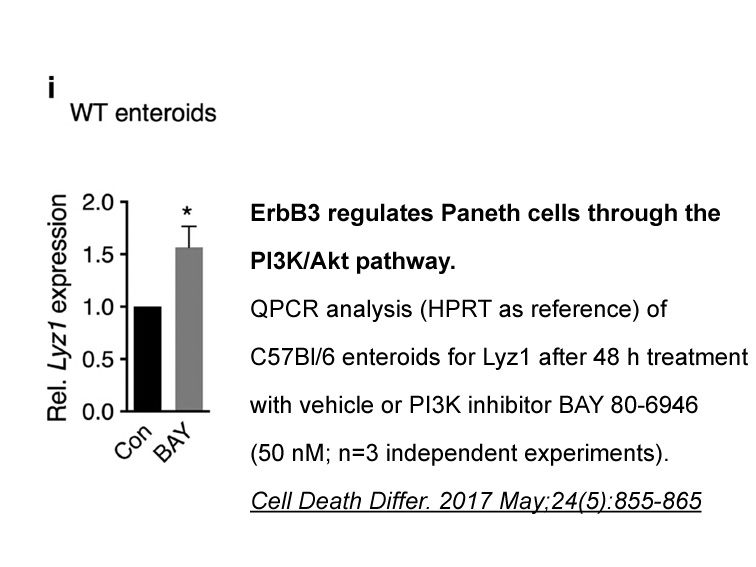
NLX-112 (a.k.a. F13640 or befiradol), exhibits nanomolar affinity at 5-HT1A receptors, and, in dextromethorphan hydrobromide to the 5-HT1A receptor agonists listed above, it presents exceptional selectivity and high efficacy at these receptors (Colpaert et al., 2002, Newman-Tancredi et al., 2017).
-
In the previous study we
2023-10-19
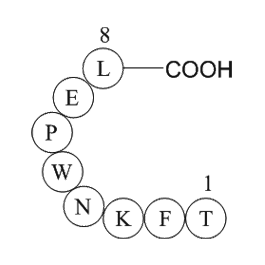
In the previous study, we demonstrated the importance of the mPFC postsynaptic 5-HT1A receptor in the sustained antidepressant effects, because a sustained antidepressant effect was obtained with intra-mPFC injection, but not systemic injection of 8-OH-DPAT, a 5-HT1A receptor agonist (Fukumoto et al
-
The second evidence comes from the results obtained by patch
2023-10-19

The second evidence comes from the results obtained by patch-clamp recordings carried out at the endplate region of isolated mouse FDB fibers, where adenosine and the P1R agonist NECA significantly affected the NPo, the open frequency and the time constant τ of the adult nAChR channels. It is genera
-
JNJ-38877605 br Patients and methods The severity
2023-10-19
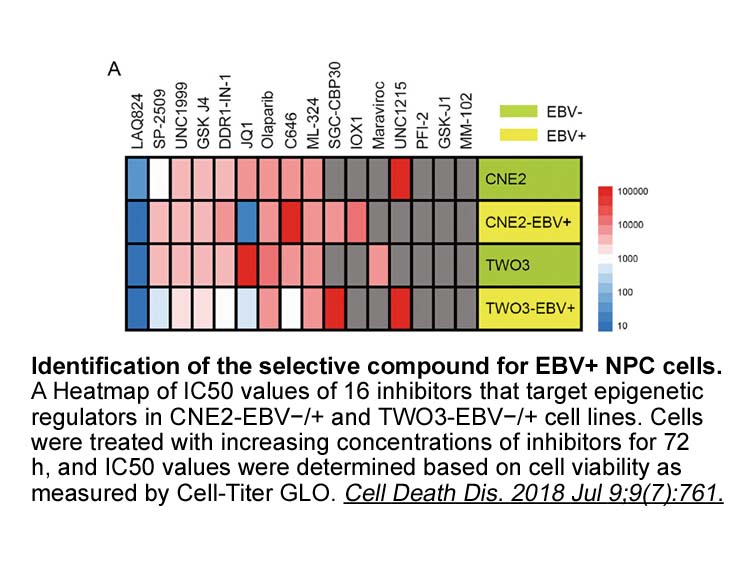
Patients and methods The severity of disease documented at each outpatient visit was graded according to the modified Osserman classification: grade I, focal disease (e.g. restricted to ocular muscles); grade II, generalised disease that is mild (IIa) or moderate (IIb); grade III, severe generali
-
CYP A is one of the key metabolizing enzymes
2023-10-19
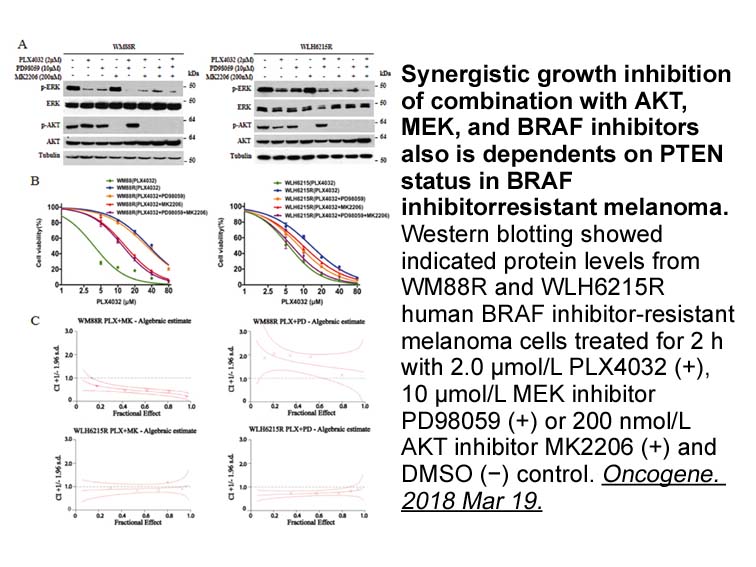
CYP3A4 is one of the key metabolizing Helioxanthin derivative 5-4-2 of the cytochrome P450 (CYP) superfamily of heme-containing monooxygenases. As the CYP family of enzymes plays important roles not only in the xenobiotic metabolism and detoxification of a large number of drugs, but also in the bio
-
Autotaxin has been linked to chemoresistance through its abi
2023-10-19
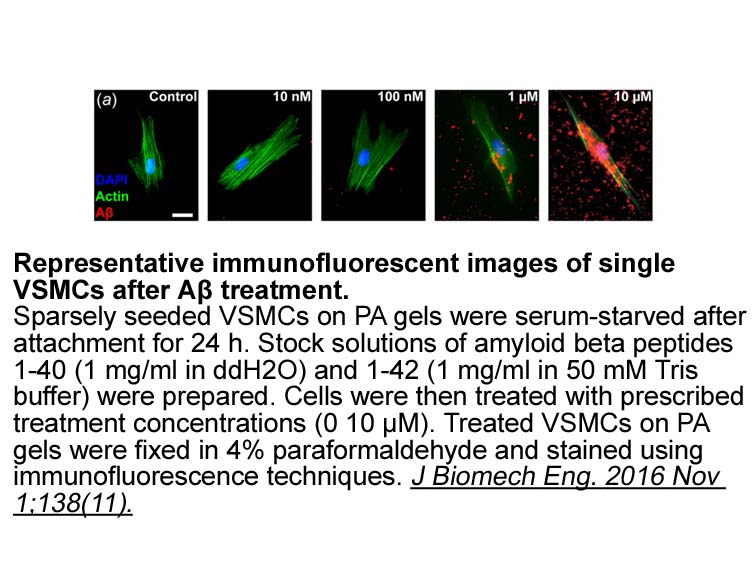
Autotaxin has been linked to chemoresistance through its ability to inhibit apoptosis induced by paclitaxel in breast cancer csf-1r [15] and LPA can inhibit cell death induced by cisplatin [40]. Autotaxin was included in the present study because it was identified as being over-expressed in patient
-
Starting with commercially available or nitropyrazole carbox
2023-10-19
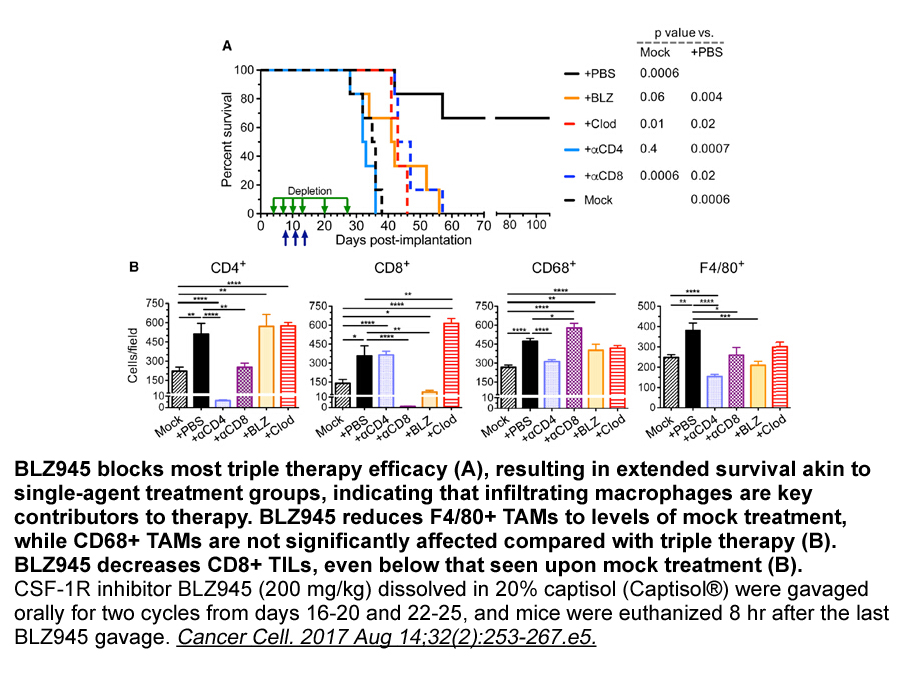
Starting with commercially available 4- or 5-nitropyrazole-3-carboxylic acid, anilides containing nitro, amino or methylsulfonamido were synthesized. Here, manipulation of the substituents on the pyrazole ring was conducted after the anilide formation (). The CCG 203971 synthesis of the nitro group
-
Pacritinib sale A unique finding in this study is that LO
2023-10-19
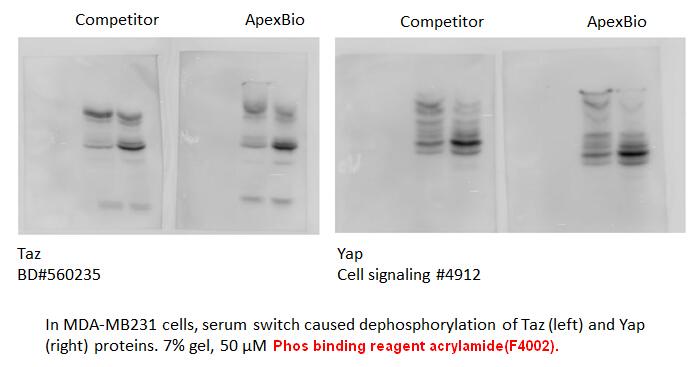
A unique finding in this study is that 12/15-LO influences CREB phosphorylation in the murine brain. While previous reports have found that knockout of 5-lipoxygenase, a related enzyme that also uses arachidonic Pacritinib sale for substrate, can regulate CREB phosphoryation in the context of Alzhe
-
The LO has so far only been found in
2023-10-19
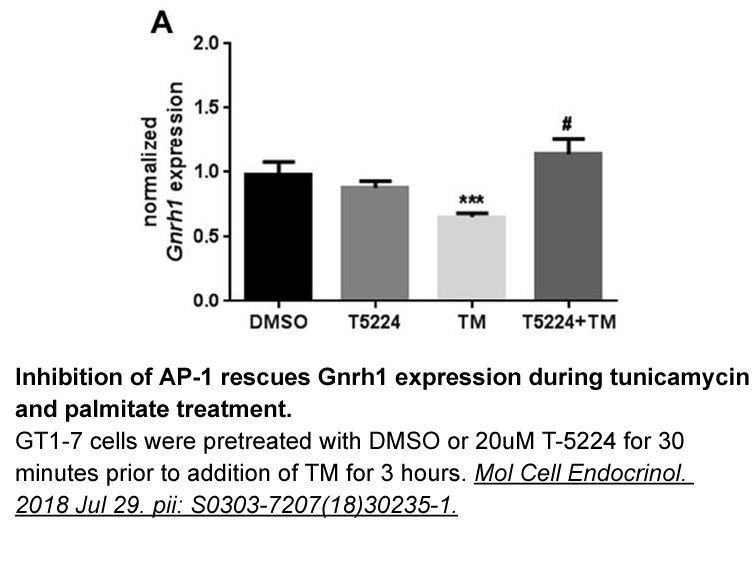
The 15-LO-1 has so far only been found in humans and rabbit reticulocytes [3], [20] and the rabbit 15-LO-1 protein demonstrate 81% identity to the human 15-LO-1. However, rabbit monocytes express an enzyme with mainly 12-LO activity [20], [21]. The high degree of sequence conservation between these
-
UNC 2400 receptor A positive correlation between nasopharyng
2023-10-19
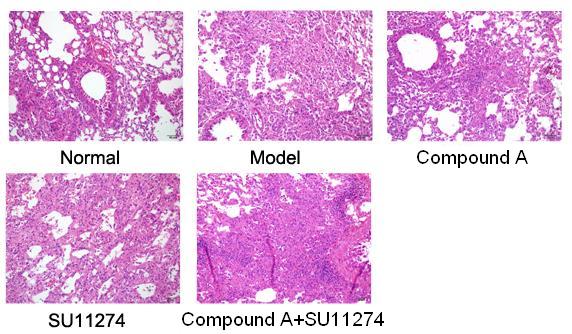
A positive correlation between nasopharyngeal CCL3 and CCL5 [16] concentrations and illness severity was shown in evaluating patients with RSV bronchiolitis [17]. CCL5 and CCL3 are important for monocyte and lymphocyte recruitment to the lung during RSV infection [7], [16], [18]. Despite the signifi
-
br Funding This study was supported by
2023-10-19
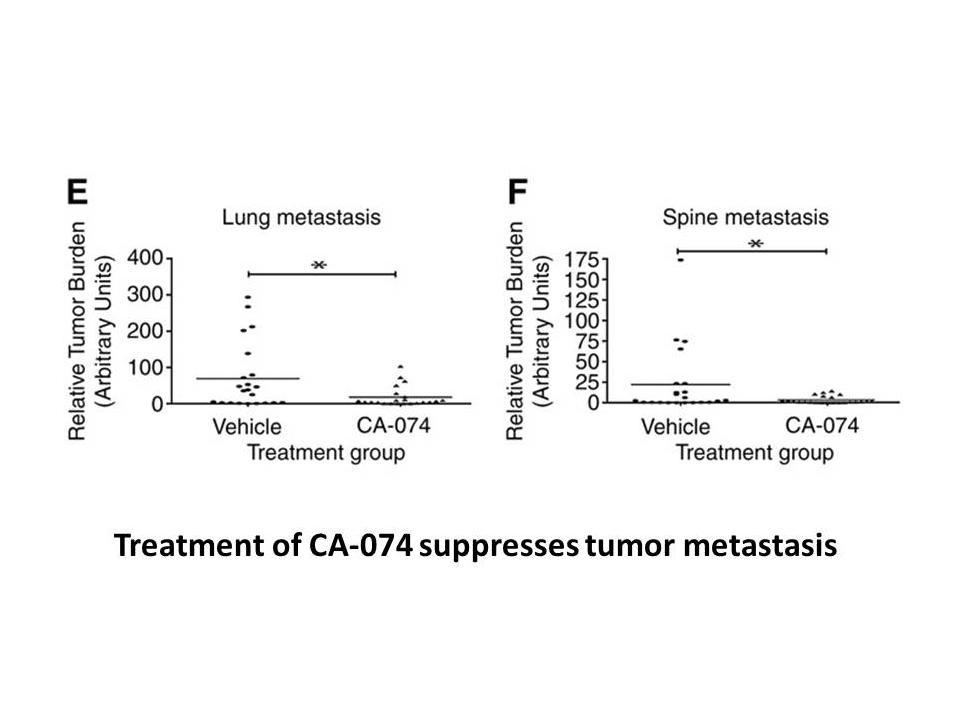
Funding This study was supported by Grant UM1-CA186690 (NCI-CTEP) and R01CA204173 (CJB). This project used the UPCI Cancer Pharmacokinetics and Pharmacodynamics Facility (CPPF) and was supported in part by award P30-CA47904 and R50CA211241. Introduction Despite the efficacy of platinum based
-
The protective role of HMW HA in inflammatory diseases
2023-10-19

The protective role of HMW-HA in inflammatory diseases and pulmonary damage led us to investigate whether PM2.5-induced ALI could be attenuated by HMW-HA and the underlying mechanisms. In this study, we used a rat model to evaluate the effect of HMW-HA on pulmonary histology, lung inflammation, oxid
-
In a study highlighted the
2023-10-19
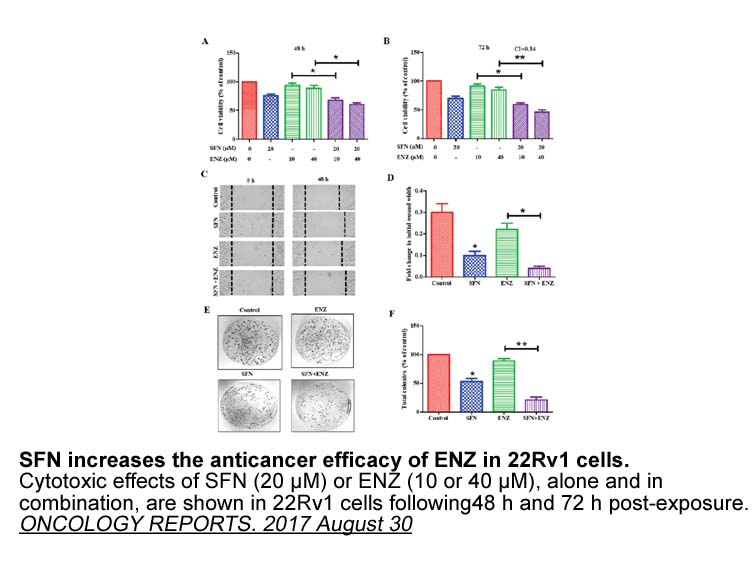
In 2010, a study highlighted the usefulness of arginase-1 as a sensitive and specific marker of hepatocytic differentiation for diagnostic pathology [9]. Subsequent studies have validated the high sensitivity and specificity of arginase-1, in particular its added value in evaluating poorly different
-
The relationship between the apelinergic and opioid systems
2023-10-19
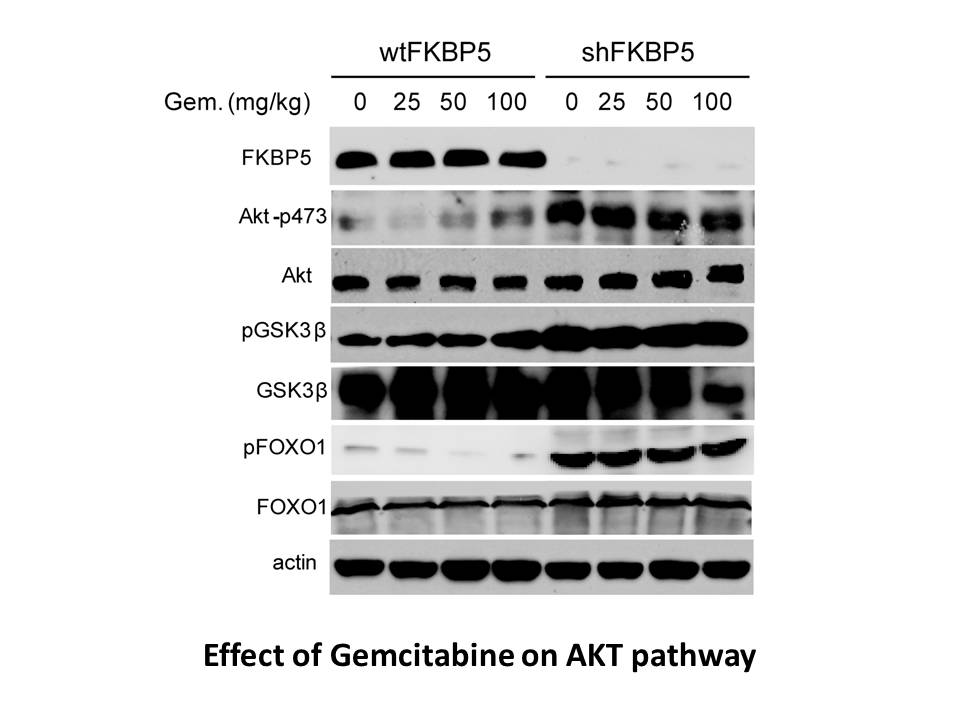
The relationship between the apelinergic and opioid systems has been previously reported (Lv et al., 2011, Yang et al., 2010). Lv and colleagues showed that naloxone has a suppressive effect on apelin-induced depression-like behavior in mice (Lv et al., 2012a). Furthermore, heterodimerization of GPC
-
Plasma apelin levels predict the major cardiovascular
2023-10-19

Plasma apelin levels predict the major cardiovascular event after percutaneous coronary intervention in patients with ST elevation myocardial infarction (STEMI), and adverse events are higher in patients with lower plasma apelin levels [75]. Apelin and its receptor are markedly upregulated in the he
16046 records 275/1070 page Previous Next First page 上5页 271272273274275 下5页 Last page